Case study
The Modern Dining Experience Starts Before the Table
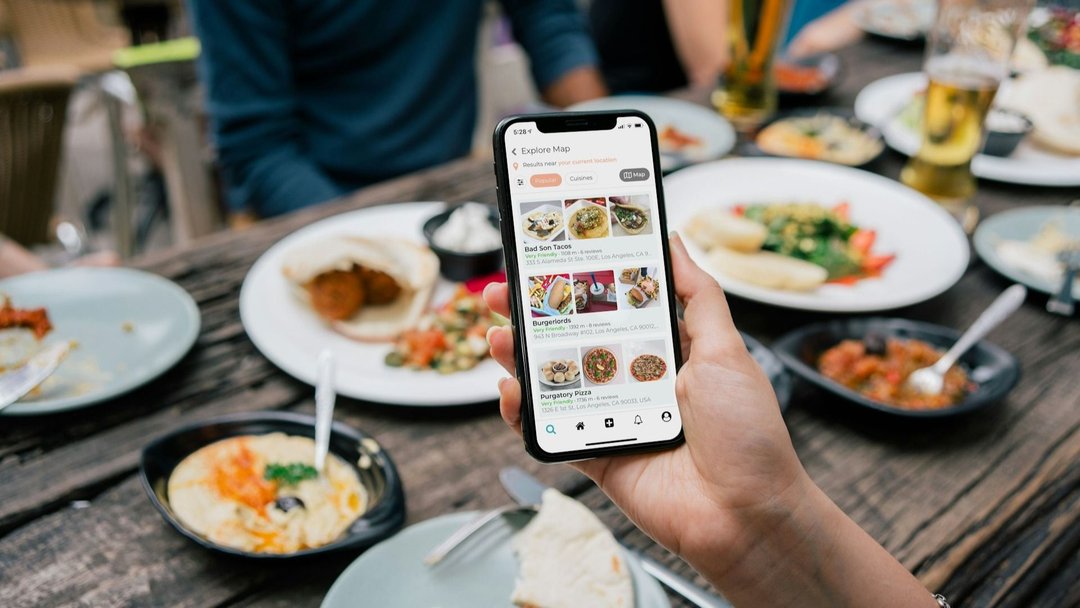
Restaurant reservation software used to be pretty simple.
You pick a date.
Choose a time slot.
Reserve a table.
Done.
But dining experiences today are no longer just about tables.
Restaurants are now competing through:
- convenience
- speed
- personalization
- mobile accessibility
- loyalty engagement
- digital ordering experiences
And once customers get used to smoother digital experiences elsewhere, they start expecting the same thing from restaurants too.
That’s partly why restaurant reservation software has quietly evolved into something much bigger than reservations alone.
Dining Starts Before People Even Arrive
A lot of restaurant experiences now begin long before customers actually sit down.
People browse menus while commuting.
Check promotions during lunch breaks.
Compare dining options from apps.
Book tables while chatting in group messages.
Look for rewards before deciding where to eat.
The dining journey has become heavily digital before the restaurant interaction even starts.
And in larger hospitality ecosystems, that complexity becomes even more obvious.
Take the RWS Moments app, for example.
The app wasn’t built purely around restaurant reservations.
Instead, it worked more like a lifestyle and dining companion across the Resorts World Sentosa ecosystem.
Users could:
- discover dining experiences
- browse restaurants
- unlock promotions
- explore lifestyle offerings
- access curated experiences directly from mobile
Which honestly feels much closer to how people actually decide where to eat today.
Dining decisions are rarely isolated anymore.
People are influenced by:
- convenience
- recommendations
- promotions
- atmosphere
- accessibility
- rewards
- nearby experiences
The reservation itself is only one small part of that process.
Reservation Software Quietly Became Part of Customer Experience
One interesting thing about modern restaurant technology is that customers rarely notice it when it works well.
They only notice when something feels annoying.
Like:
- confusing booking flows
- slow mobile experiences
- promotions that don’t apply properly
- unavailable tables that still appear online
- loyalty rewards that feel disconnected
- too many steps just to reserve a seat
Individually, these are small frustrations.
But together, they shape how customers perceive the restaurant brand itself.
That’s why many restaurant platforms today focus less on “feature overload” and more on reducing friction throughout the dining journey.
The smoother things feel, the more likely customers are to return.
Restaurants Are Becoming More Mobile-First Than Ever
People don’t really “go online” anymore.
They already live there.
Especially through phones.
That changes how restaurant experiences need to be designed.
Customers now expect to:
- browse restaurants quickly
- reserve tables instantly
- access promotions digitally
- reorder easily
- earn rewards automatically
- discover nearby dining experiences in real time
This shift becomes especially important for restaurant-focused apps trying to build long-term engagement rather than one-time visits.
The platform focused on helping users discover restaurants while simplifying the overall dining experience through mobile accessibility and reservation convenience.
What’s interesting is that apps like this are no longer behaving like static booking platforms.
They operate more like discovery ecosystems.
People browse first.
Explore options.
Compare experiences.
Look for convenience.
Then, eventually, decide where to dine.
The reservation itself becomes part of a larger customer decision flow.
Fast Food Brands Changed Customer Expectations Too
Another reason restaurant reservation and dining software have evolved so quickly is that large food brands have trained customers to expect instant digital convenience everywhere.
A company like this may not immediately sound connected to “restaurant reservation software,” but it heavily influenced how customers now expect food experiences to work digitally.
People are now used to:
- mobile ordering
- app-based rewards
- digital promotions
- personalized offers
- location-aware experiences
- frictionless payments
- loyalty-driven engagement
The collaboration between and reflected this broader shift toward digital convenience and customer engagement through mobile experiences.
And honestly, once users get accustomed to this level of convenience from global food brands, they subconsciously expect similar experiences from restaurants everywhere else, too.
Even if the restaurant itself is completely different.
Reservation Platforms Are Becoming Dining Ecosystems
This is probably the biggest change happening in restaurant software today.
Reservation systems are no longer just backend tools for managing tables.
They are increasingly becoming customer engagement platforms.
Modern restaurant apps now often combine:
- reservations
- loyalty systems
- promotions
- discovery features
- digital payments
- personalized recommendations
- customer retention
- lifestyle experiences
into one connected experience.
That’s why many modern restaurant platforms feel less like “reservation software” and more like digital lifestyle products.
Especially for hospitality ecosystems where dining is only one part of a broader customer journey.
Apps like RWS Moments, created by Codigo Singapore, reflect this particularly well because the experience goes beyond food itself
Dining becomes connected to:
- entertainment
- tourism
- events
- lifestyle activities
- destination experiences
And once all those experiences start blending, disconnected reservation systems begin feeling outdated very quickly.
Honestly, Customers Mostly Just Want Things to Feel Easy
Most diners are not thinking about infrastructure, integrations, or backend systems.
They just want things to feel simple.
Can they:
- find restaurants quickly?
- reserve without confusion?
- access deals easily?
- manage everything from mobile?
- feel rewarded for returning?
That’s usually the real benchmark.
Not whether a restaurant app has the most advanced technology stack, but whether it quietly removes effort from the overall dining experience.
And looking at platforms like:
- The RWS Moments ecosystem from
- the mobile dining experience behind,
- and the digital engagement approach associated with it.
It’s pretty clear where restaurant technology is heading.
Less about reservations alone.
More about creating connected, mobile-first dining experiences that customers barely have to think about at all.