Case study
Online Food Ordering Software Is No Longer Just About Delivery
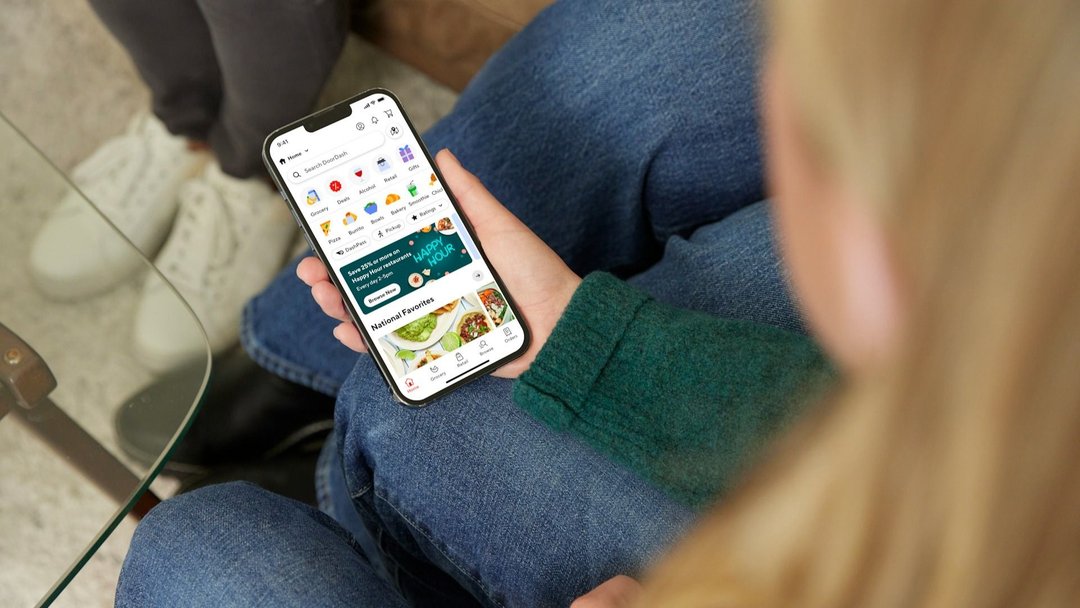
There was a time when online food ordering software mostly meant one thing:
“Can customers order food from their phones?”
That alone already felt innovative back then.
Now it’s basically the minimum expectation.
Because people today don’t just expect restaurants to accept online orders. They expect the entire experience to feel fast, connected, personalized, and effortless from beginning to end.
And honestly, a lot of that shift happened quietly.
Nobody suddenly announced:
“Food ordering apps are now customer experience platforms.”
But that’s exactly what they became.
Ordering Food Started Feeling More Like Using a Lifestyle App
One interesting thing about modern food ordering behavior is how casual it has become.
People order while:
- commuting home
- watching Netflix
- sitting in meetings
- gaming
- scrolling social media
- lying in bed
Food ordering is no longer treated like a “task.”
It’s just part of everyday digital behavior now.
Which means even tiny amounts of friction start feeling surprisingly annoying.
Things like:
- slow-loading apps
- confusing menus
- checkout issues
- promotions that don’t work
- missing payment options
- complicated reward systems
The moment ordering feels inconvenient, users often leave immediately because alternatives are only one tap away.
That’s partly why online food ordering software has evolved far beyond simple menu systems.
Fast Food Brands Quietly Changed Customer Expectations
A huge part of this shift came from global food brands training customers to expect smoother digital experiences everywhere.
Take, for example.
The modern McDonald’s mobile ecosystem goes far beyond basic food ordering. Customers can:
- order ahead
- customize meals
- access rewards
- unlock promotions
- choose pickup methods
- earn loyalty points
- reorder favorites directly from mobile
What’s interesting is that features like Mobile Order & Pay no longer feel “special” to users.
They feel normal.
And once people get used to that level of convenience from one brand, they start expecting it from every other restaurant too.
That expectation shift is massive for the food industry.
Because customers now subconsciously compare every food ordering experience against the smoothest apps they already use daily.
Online Ordering Isn’t Really About Ordering Anymore
This is probably the biggest change happening in food tech right now.
Ordering used to be the destination.
Now it’s just one part of a much larger customer relationship flow.
Modern food apps increasingly combine:
- ordering
- rewards
- personalized offers
- loyalty programs
- payment systems
- location-based experiences
- customer retention
- push notifications
- recommendation systems
into one ecosystem.
The collaboration between and reflected this broader shift toward mobile-first customer engagement and digital convenience.
And honestly, that makes sense.
Because food ordering apps are now competing for attention the same way other consumer apps do.
Not just on functionality.
But on habit.
Loyalty Became a Bigger Deal Than Most Restaurants Expected
A few years ago, loyalty systems often felt like optional add-ons.
Now they’re becoming central to how food brands drive repeat behavior.
Especially because acquiring new customers repeatedly is expensive.
That’s why many modern ordering platforms focus heavily on:
- reward points
- personalized promotions
- member-only deals
- saved preferences
- reorder convenience
The McDonald’s ecosystem is a strong example of this direction.
The app combines ordering with MyMcDonald’s Rewards, personalized deals, saved favorites, and repeat purchase incentives directly within the ordering flow itself.
And from a user perspective, this changes behavior pretty quickly.
People stop thinking:
“I’m ordering food.”
Instead, it becomes:
“I’m opening the app I usually use.”
That subtle behavioral shift is incredibly powerful.
The Hard Part Is Making Convenience Feel Invisible
What’s funny about online food ordering software is that users rarely notice when the technology works well.
They only notice when it breaks.
You can actually see this reflected in online discussions around food ordering apps.
Users often complain about:
- buggy reward systems
- failed promotions
- app crashes
- ordering confusion
- pickup flow issues
- inconsistent availability
Which sounds minor on paper.
But in industries built around speed and convenience, those small frustrations matter a lot.
Because customers expect ordering food to feel almost frictionless now.
Especially on mobile.
That’s why the best online food ordering platforms usually feel incredibly simple on the surface, even though the systems underneath are extremely complex.
Mobile Ordering Quietly Changed Restaurant Operations Too
What customers see is only part of the story.
Behind the scenes, modern food ordering platforms also affect:
- kitchen workflows
- pickup coordination
- inventory timing
- drive-thru operations
- customer flow management
- promotional campaigns
McDonald’s Mobile Order & Pay, for example, coordinates ordering and preparation timing around customer arrival to reduce waiting and improve operational flow.
And that’s where online food ordering software becomes more than just a customer-facing app.
It becomes operational infrastructure.
The digital experience starts influencing how restaurants actually run day to day.
Honestly, Customers Just Want Things to Feel Easy
Most users are not thinking about APIs, backend systems, integrations, or infrastructure.
They just want to:
- open the app
- order quickly
- customize easily
- get rewards
- pay instantly
- receive food without complications
That’s usually the real benchmark for modern online food ordering software.
Not how many features it has, but how little effort customers need to spend interacting with it.
And looking at mobile ecosystems like the one surrounding it, it’s pretty clear where food ordering platforms are heading overall.
Less like standalone ordering tools.
More like connected customer experience platforms built around convenience, retention, and everyday digital habits.