Technology
Logistics Systems Singapore Companies Use to Fix Delivery Delays, Lost Inventory, and Operational Blind Spots
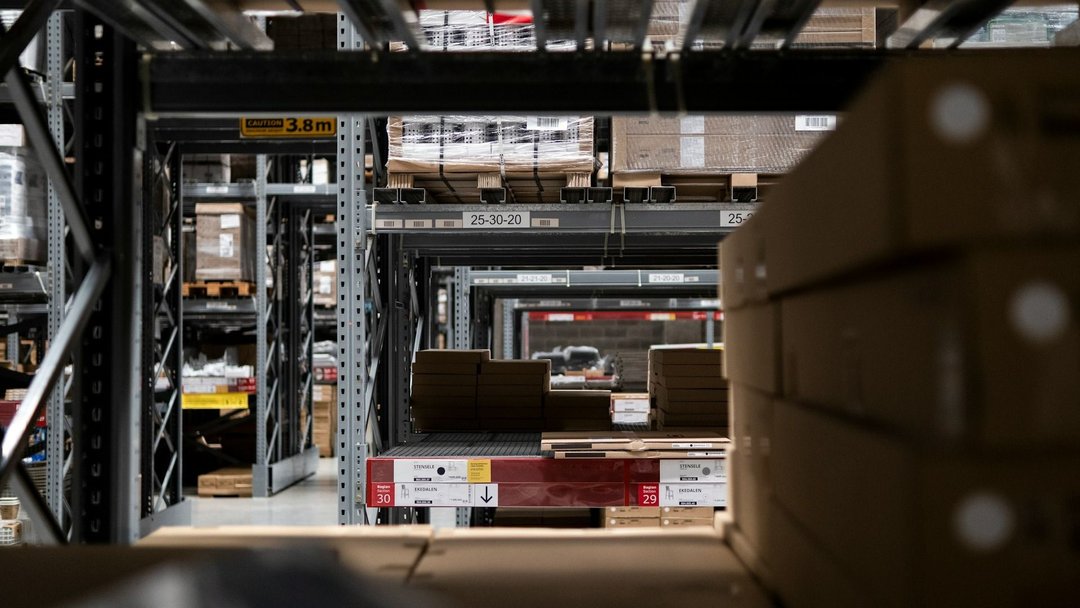
In Singapore’s fast-moving business environment, logistics is no longer just a backend function; it’s a core driver of customer experience and operational efficiency. From e-commerce and retail to manufacturing and distribution, companies are under constant pressure to deliver faster, track inventory accurately, and eliminate costly inefficiencies.
Yet many businesses still struggle with the same issues:
- Delivery delays that frustrate customers
- Inventory mismatches that disrupt operations
- Lack of real-time visibility across the supply chain
The problem isn’t effort; it’s systems.
This article breaks down how Singapore companies are actually solving these logistics challenges, and what kind of systems they’re using to fix them.
The Real Problems Behind Logistics Inefficiency
Before jumping into solutions, it’s important to understand what’s really causing these issues.
1. Fragmented Systems
Many companies rely on separate tools for inventory, delivery tracking, and order management. These systems don’t talk to each other, creating data silos and manual reconciliation work.
2. Lack of Real-Time Visibility
Without real-time tracking, businesses can’t:
- Detect delays early
- Adjust delivery routes
- Provide accurate updates to customers
This leads to reactive operations instead of proactive ones.
3. Manual Processes That Don’t Scale
From updating spreadsheets to coordinating deliveries via WhatsApp, manual workflows slow everything down and increase the risk of human error.
4. Poor Demand & Inventory Forecasting
Without proper data insights, companies either:
- Overstock (tying up cash flow), or
- Understock (leading to missed sales opportunities)
Logistics Systems Singapore Companies Are Using (and Why They Work)
To solve these problems, businesses are moving toward integrated, system-driven logistics operations. Here are the key systems making the biggest impact.
1. Centralized Order Management Systems (OMS)
A modern OMS acts as the single source of truth for all orders, whether they come from online stores, marketplaces, or offline channels.
What it solves:
- Eliminates duplicate or missing orders
- Syncs inventory automatically
- Improves coordination between teams
Real impact:
Companies can process orders faster and reduce fulfillment errors significantly.
2. Real-Time Inventory Management Systems
Instead of relying on periodic stock updates, businesses are adopting systems that track inventory in real time across multiple locations.
Key capabilities:
- Multi-warehouse tracking
- Low-stock alerts
- Automated stock adjustments
What it fixes:
- Lost inventory
- Overstocking/understocking
- Manual stock reconciliation
3. Smart Delivery & Route Optimization Systems
Delivery delays are often caused by inefficient routing and poor coordination. Modern logistics systems use algorithms to optimize delivery routes dynamically.
Features include:
- Route optimization based on traffic conditions
- Automated driver assignment
- Delivery time predictions
Result:
- Faster deliveries
- Lower fuel and operational costs
- Higher on-time delivery rates
4. End-to-End Tracking & Visibility Platforms
Customers today expect transparency. Companies are implementing systems that provide real-time tracking from warehouse to doorstep.
Benefits:
- Customers can track deliveries live
- Support teams handle fewer complaints
- Businesses can quickly identify bottlenecks
This transforms logistics from a black box into a fully visible operation.
5. Warehouse Management Systems (WMS)
For companies dealing with high inventory volume, a WMS is critical.
What it handles:
- Picking and packing workflows
- Barcode / RFID tracking
- Warehouse layout optimization
Impact:
- Faster order fulfillment
- Reduced picking errors
- Better warehouse efficiency
6. Data & Analytics for Logistics Optimization
Top-performing companies don’t just operate; they analyze and optimize continuously.
With the right system, businesses can track:
- Delivery performance (on-time rates, delays)
- Inventory turnover
- Fulfillment speed
This enables smarter decision-making and long-term improvements.
How These Systems Work Together (Not in Silos)
The biggest shift isn’t just adopting tools, it’s integrating them into a unified logistics ecosystem.
When systems are connected:
- Orders automatically update inventory
- Inventory triggers fulfillment workflows
- Delivery systems receive real-time data
- Analytics track everything end-to-end
This eliminates guesswork and creates a smooth, scalable operation.
What Happens Without the Right Logistics System?
Companies that delay upgrading their logistics systems often face:
- Increasing operational costs
- Frequent delivery complaints
- Difficulty scaling during peak periods
- Constant firefighting instead of growth
In contrast, businesses with the right systems gain:
- Predictability
- Efficiency
- Better customer satisfaction
- Stronger competitive advantage
Choosing the Right Approach: Off-the-Shelf vs Custom Systems
Many businesses start with off-the-shelf tools, but quickly hit limitations:
- Lack of flexibility
- Poor integration with existing workflows
- Inability to scale with business growth
That’s why more companies are moving toward custom-built logistics systems tailored to their operations.
Building Logistics Systems That Actually Solve Business Problems
The goal isn’t to “use more tools”, it’s to solve real operational bottlenecks.
The most effective logistics systems are designed around:
- Existing workflows
- Business-specific challenges
- Scalability requirements
This is where working with the right technology partner becomes critical.
How Codigo Helps Businesses Solve Logistics Challenges
Instead of offering generic solutions, Codigo focuses on building custom logistics systems that align with real business operations.
From inventory management to delivery tracking and system integration, their approach is centered on:
- Eliminating inefficiencies
- Improving visibility
- Enabling scalable growth
If your business is dealing with delivery delays, inventory issues, or operational blind spots, it may not be a people problem; it’s likely a system problem.
Explore how a tailored solution can transform your logistics operations:
https://www.codigo.co/solutions/logistics
Final Thoughts
Logistics is no longer just about moving goods; it’s about moving efficiently, predictably, and transparently.
Singapore companies that are winning today aren’t working harder; they’re working smarter with the right systems in place.
If your operations still rely on disconnected tools and manual processes, now is the time to rethink your logistics strategy, not just to fix problems, but to unlock growth.