Technology
The Role of AI-Powered Automation in Modern Manufacturing Workflows
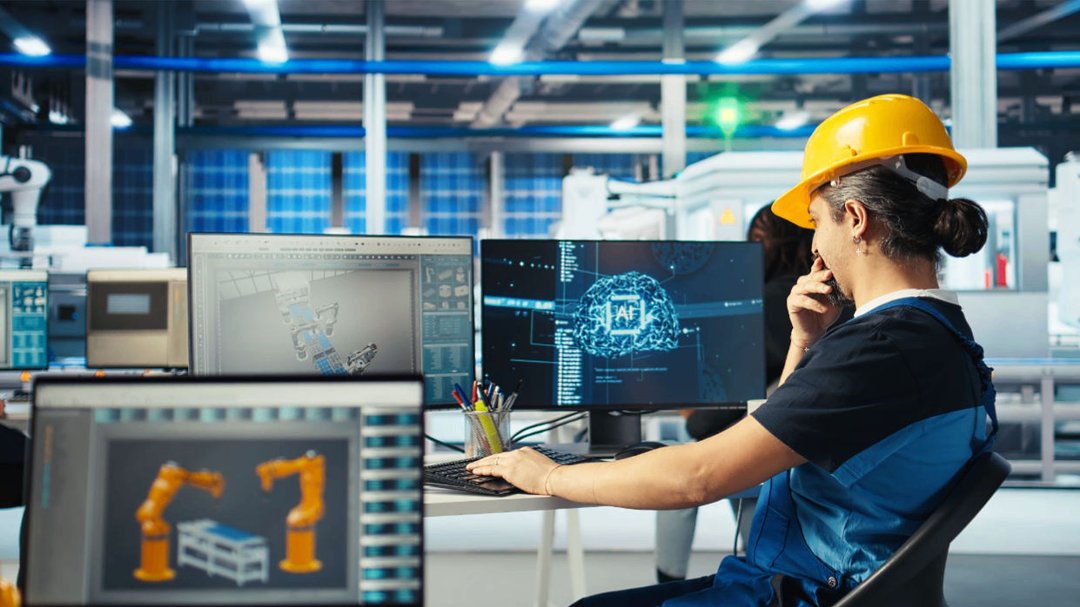
Modern manufacturing is changing quickly, and AI-powered automation is playing a big part in that progress. Instead of replacing people, these smart technologies help teams work faster, reduce errors, and improve the quality of their products. From handling repetitive tasks to providing useful data for better decisions, automation supports smoother and more efficient workflows.
It also helps businesses save time, lower costs, and respond more quickly to changing customer needs. As industries continue to grow and compete, understanding how AI-powered automation fits into modern manufacturing is becoming essential for building stronger, more productive, and future-ready operations.
Transformative Impact on Factory Workflows
For plant managers and operations teams, AI-powered automation is not about chasing buzzwords. It is about making the work flow better. Orders change. Labor gets tight. Materials arrive late. Customers still expect everything on time.
That is where AI starts earning its keep: smoothing production, improving decisions, and helping teams catch problems before they become expensive ones.
Increasing Efficiency Through Smart Automation
When you think about automation in manufacturing, it is easy to picture robots replacing people. In reality, the better goal is simpler and more useful: give people better tools and remove the repetitive work that slows them down.
AI can help schedule jobs, flag process issues, check parts, and route information without someone digging through spreadsheets for an hour.
Manufacturers that need custom plastic components can connect automated planning, inspection, and order tracking with RapidMade thermoforming solutions to reduce lead times. That is especially valuable when customers need custom trays, covers, housings, or panels without waiting through a long, clunky production cycle.
Data-Driven Decisions and Quality Control
Modern manufacturing workflows create a mountain of information every day. Machines, operators, materials, sensors, purchase orders, inspection reports it all adds up quickly. AI helps turn that noise into something usable.
Instead of guessing where the bottleneck is, teams can see it. Instead of discovering a delay after it has already hurt the schedule, planners can adjust earlier.
Quality control also gets a major lift. Cameras, sensors, and defect-detection models can spot cracks, warping, bad trims, surface flaws, and other problems sooner than manual checks alone. That does not make skilled inspectors less important. It gives them sharper eyes and better timing.
When smart automation reduces bottlenecks and improves resource use, throughput rises while downtime falls.
AI Technologies Changing Daily Production
Once the “why” is clear, the next question is obvious: how does this actually work on the floor?
The best AI tools are not science-fiction machines tucked away in a lab. They are practical systems that fit into real production environments, where schedules shift, machines age, and people need answers quickly.
Machine Learning, Vision, and Cobots
In many facilities, artificial intelligence in industry begins with machine learning. These models study production history, demand patterns, downtime events, quality records, and machine behavior. Over time, they can point out patterns that a busy team might miss.
For example, a model may notice that a certain machine starts drifting before a failure. Or it may suggest a better production sequence based on similar past orders. Small insight? Maybe. Big savings? Often, yes.
Computer vision adds another layer of control. It can monitor defects, alignment problems, and process drift in real time. That means operators can respond before scrap starts stacking up like a bad Monday.
Cobots help too. They can lift, sort, place, inspect, or repeat precise motions while people focus on tasks that require judgment, troubleshooting, and experience.
Digital Twins and Simulation
Digital twins give manufacturers a low-risk way to test changes before touching the actual line. You can model a new layout, test a material change, or compare shift patterns without creating chaos on the floor.
How AI-Guided Automation Improves Manufacturing Operations
Traditional automation typically relies on fixed rules and predefined schedules. AI-guided automation goes further by using real-time data and operational patterns to support faster and more informed decisions.
Scheduling: Traditional automation follows fixed scheduling rules, while AI-guided automation enables demand-aware planning that can adjust to changing production requirements.
Maintenance: Instead of relying only on calendar-based checks, AI-guided automation can identify failure patterns and alert teams before equipment issues become more serious.
Inspection: Traditional inspection often depends on manual sampling. AI-guided automation supports live defect detection, allowing potential quality issues to be identified during production.
Changeovers: Traditional changeovers rely heavily on operator experience. AI-guided automation provides data-backed setup guidance, helping teams improve consistency and reduce setup time.
Practical Ways to Improve Manufacturing Workflows
The smartest AI projects usually start small. Not because the technology is limited, but because people are busy. If you try to overhaul everything at once, you may end up with confusion instead of progress.
Pick one painful workflow. Fix it. Prove the value. Then expand.
Scheduling and Resource Management
AI-driven scheduling can line up labor, machines, and materials based on actual demand. That helps reduce delays, avoid unnecessary changeovers, and keep work-in-process from piling up.
This is where manufacturing workflows become more responsive. Instead of reacting after the rush order lands, the system can suggest what to move, what to pause, and where capacity is getting tight.
For a planner, that kind of visibility is gold. It turns firefighting into decision-making.
Predictive Maintenance and Cost Control
Predictive maintenance uses machine data to spot early warning signs before equipment fails. Vibration, temperature, cycle time, pressure, and other signals can reveal patterns long before a breakdown stops production.
“Global manufacturing companies using AI‑automation achieve average annual cost savings of $2.5 million per facility.”Of course, savings like that do not appear just because software was installed. You need clean data, reliable sensors, connected systems, and employees who trust the alerts enough to act on them.
Predictive maintenance uses machine data to keep lines running and budgets under control.
Success Stories and Smart Adoption
Across automotive, medical device, semiconductor, packaging, and custom manufacturing, AI-powered automation is already helping plants improve output and consistency. The best results usually come from steady adoption, not big dramatic launches.
Nobody wants another expensive system that looks impressive in a demo and then gathers dust.
Agile Production and Custom Orders
Agile, AI-supported production makes it easier to handle short runs and customer-specific requirements. That matters more than ever. Buyers want tailored parts, flexible material choices, and faster turnaround without paying for bloated inventory.
Custom work often involves design review, tooling support, material selection, trimming, painting, and inspection. Those needs fit naturally with RapidMade thermoforming solutions, where an engineering-led production model can support a cleaner, more efficient path from idea to finished part.
Best Practices for Getting Started
Strong AI adoption starts with readiness. That means good data, clear goals, trained workers, and leadership that listens to the people closest to the process.
If the floor team sees AI as a helper instead of a threat, adoption becomes much easier.
A smart rollout usually includes:
- Start with one painful workflow, then expand after results are clear.
- Pick partners who understand production, materials, and quality requirements.
Clear KPIs and regular review cycles turn AI projects into repeatable gains.
Future Trends Worth Watching
AI is not just improving today’s factory work. It is starting to shape how products are designed, quoted, produced, inspected, and delivered.
The next wave will be faster, more connected, and closer to the machines themselves.
Generative Design and Self-Tuning Systems
Generative design tools can help engineers explore shapes, materials, and production methods based on cost, strength, weight, and use case. Instead of testing one or two ideas, teams can compare many options quickly.
Self-tuning systems take that logic into production. They can adjust speed, temperature, routing, or inspection settings when conditions change. That kind of flexibility can make a line feel less rigid and more aware.
Edge Computing and Smart Customization
Edge AI and Industrial IoT bring decision-making closer to the equipment. That means faster alerts, less delay, and better control when cloud systems or internet connections slow down.
Hyper-personalized manufacturing is also gaining momentum. Customers want more choice. Factories need to deliver that choice without making every order feel like a brand-new puzzle.
Before we wrap up, let’s answer the common questions manufacturers ask when they’re weighing AI in manufacturing.
Common Questions About AI-Powered Automation
How does AI differ from traditional automation in manufacturing workflows?
Traditional automation follows fixed rules. AI can learn from data, spot patterns, and suggest changes when conditions shift. That makes it useful for changing demand, varied materials, quality checks, and production planning that cannot stay static.
What’s required to implement AI-powered automation in existing systems?
Most plants need reliable data, connected equipment, clear goals, and people trained to use the tools. Start small with one workflow, prove the value, then expand into scheduling, maintenance, inspection, or quality control.
Is automation in manufacturing with AI affordable for smaller companies?
It can be, especially when projects focus on a clear problem instead of a full plant rebuild. Smaller teams often begin with inspection, scheduling, or maintenance tools, then add more once savings become visible.
Final Thoughts on Smarter Factory Workflows
Factories that use AI-powered automation well can move faster, waste less, catch defects earlier, and respond with more confidence when orders change. The biggest wins come from pairing useful technology with people who know the work inside and out.
Start with one stubborn problem. Measure what improves. Then build from there.
With the right tools, clear goals, and experienced partners, including RapidMade thermoforming solutions, smarter manufacturing is not some distant future. It is already taking shape on the floor, one better decision at a time.